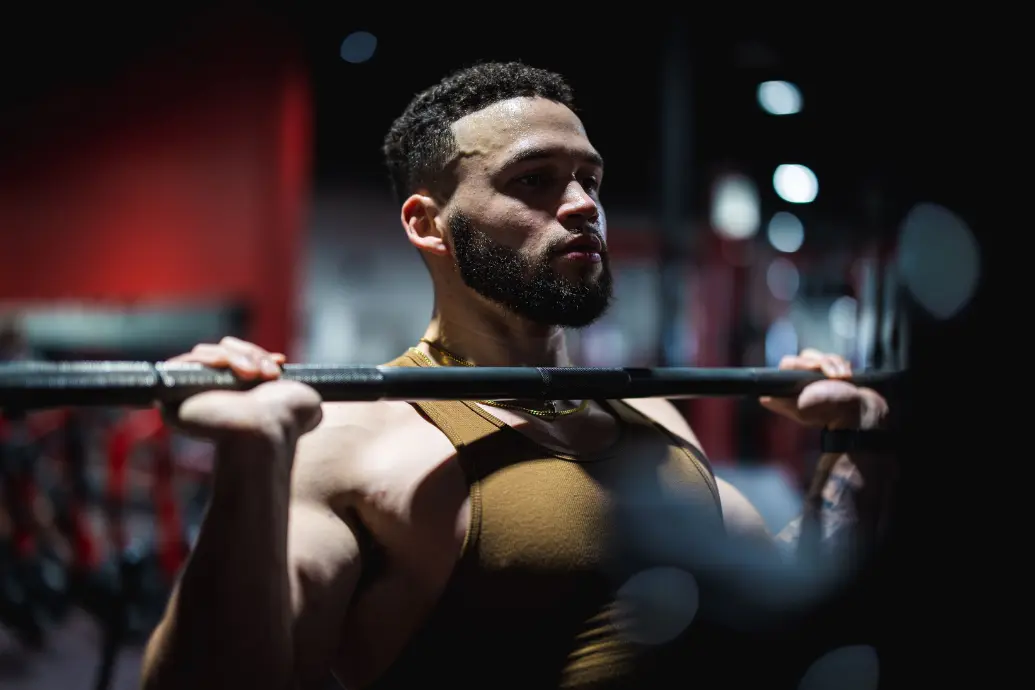
Starting strength training can feel intimidating. There are weights, machines, unfamiliar exercises, and plenty of conflicting advice online. But you don’t need to be an expert—or lift extremely heavy weights—to get started.
A well-designed strength training program can help you build muscle, increase strength, improve movement, and develop better overall fitness.
The key for beginners is simple: learn the fundamentals, focus on good technique, and progress gradually.
What Is Strength Training?
Strength training is a form of exercise where your muscles work against resistance. That resistance can come from:
- Free weights such as dumbbells and barbells
- Weight machines
- Resistance bands
- Cable systems
- Your own body weight
The goal is to gradually challenge your muscles so your body can adapt and become stronger.
Why Should Beginners Strength Train?
Strength training offers benefits beyond building bigger muscles.
Build Strength and Muscle
Regular resistance training stimulates your muscles and encourages them to become stronger and more capable.
Support Healthy Body Composition
Building and maintaining muscle can complement a balanced nutrition and fitness program when your goal is to improve body composition.
Improve Everyday Movement
Strength can make everyday activities such as lifting, carrying, climbing stairs, and maintaining posture easier.
Improve Confidence
As you become stronger and learn new movements, you may notice improvements in confidence and overall physical capability.
How Often Should Beginners Train?
You don’t need to train every day.
For many beginners, 2–3 strength-training sessions per week is a practical starting point. This provides enough training stimulus while allowing time for recovery.
A simple schedule could be:
Monday: Full-body workout
Tuesday: Rest
Wednesday: Full-body workout
Thursday: Rest
Friday: Full-body workout
Saturday: Active recovery
Sunday: Rest
Your schedule can be adjusted depending on your fitness level, availability, and goals.
Focus on Fundamental Movements
Instead of trying every exercise you see online, start by learning the basic movement patterns.
Squat
Works primarily the legs and glutes while developing lower-body strength.
Hinge
Movements such as deadlift variations train the posterior chain, including the glutes and hamstrings.
Push
Push-ups, chest presses, and overhead presses develop pushing strength.
Pull
Rows and pulldowns strengthen the back and improve pulling ability.
Lunge
Lunges and split squats develop unilateral leg strength, balance, and coordination.
Core
Exercises such as planks and controlled carries can help develop core stability.
Learning these patterns gives you a strong foundation for more advanced training.
How Many Sets and Repetitions Should You Do?
There isn’t one perfect rep range for everyone.
As a beginner, the priority should be controlled technique and consistent training rather than chasing maximum weight.
A practical starting point is:
- 2–3 sets per exercise
- Around 8–12 controlled repetitions for many exercises
- Rest sufficiently between sets
- Stop with good technique rather than forcing poor repetitions
As your fitness and experience improve, your program can be adjusted.
Choose the Right Weight
One of the most common beginner mistakes is choosing a weight that’s too heavy.
Your final repetitions should feel challenging, but you should still be able to maintain good form.
If you have to:
- Swing the weight
- Hold your breath excessively
- Change your body position dramatically
- Rush through repetitions
- Sacrifice technique to complete the set
the weight may be too heavy.
Start conservatively and increase the resistance gradually.
Technique Comes Before Weight
Good technique helps you train the intended muscles and develop efficient movement patterns.
When learning a new exercise:
- Learn the movement.
- Practice with little or no resistance.
- Focus on controlled repetitions.
- Add resistance gradually.
- Increase the challenge only when your technique is consistent.
If you’re unsure about an exercise, working with a qualified fitness professional can help you learn the movement safely.
What Is Progressive Overload?
Progressive overload means gradually increasing the challenge placed on your body over time.
That could mean:
- Adding a small amount of weight
- Performing additional repetitions
- Adding a set
- Improving your range of motion
- Improving exercise technique
- Increasing training difficulty
You don’t need to increase everything at once.
Small improvements repeated consistently can produce significant results over time.
Don’t Ignore Recovery
Your muscles need time to recover after training.
Make recovery part of your program by prioritizing:
- Adequate sleep
- Balanced nutrition
- Hydration
- Rest days
- Appropriate training volume
Training harder isn’t automatically better. A sustainable program balances training stress with recovery.
Common Beginner Mistakes
Trying to Lift Too Heavy
Strength develops gradually. Focus on mastering the movement before chasing heavier weights.
Changing Programs Too Often
Give your program enough time to work before constantly replacing exercises.
Skipping Warm-Ups
A short warm-up can help you prepare physically and mentally for your workout.
Training Without a Plan
Random exercises may produce random results. A structured program makes it easier to track progress.
Comparing Your Progress With Others
Everyone starts from a different fitness level. Focus on your own performance and consistency.
A Simple Beginner Workout
Here’s an example of a basic full-body session:
1. Goblet Squat
2–3 sets × 8–12 reps
2. Dumbbell Bench Press
2–3 sets × 8–12 reps
3. Seated Cable Row
2–3 sets × 8–12 reps
4. Romanian Deadlift
2–3 sets × 8–12 reps
5. Plank
2–3 controlled sets
Start with manageable resistance and prioritize proper technique.
How Long Does It Take to See Results?
Progress varies from person to person.
Your results depend on factors such as your starting fitness level, training consistency, nutrition, recovery, genetics, and program design.
Instead of focusing exclusively on appearance, look for other signs of progress:
- You’re lifting more weight.
- You can perform more repetitions.
- Your technique is improving.
- Everyday activities feel easier.
- You’re becoming more consistent.
- Your overall fitness is improving.
These are all meaningful indicators that your training is working.
Start Strong With Kinetra
Strength training doesn’t have to be complicated. The right approach is about learning the fundamentals, following a structured plan, progressing gradually, and staying consistent.
At Kinetra, we help individuals turn their fitness goals into practical training programs designed around their current ability, lifestyle, and long-term goals.
Start where you are. Train with purpose. Build your strength one session at a time.